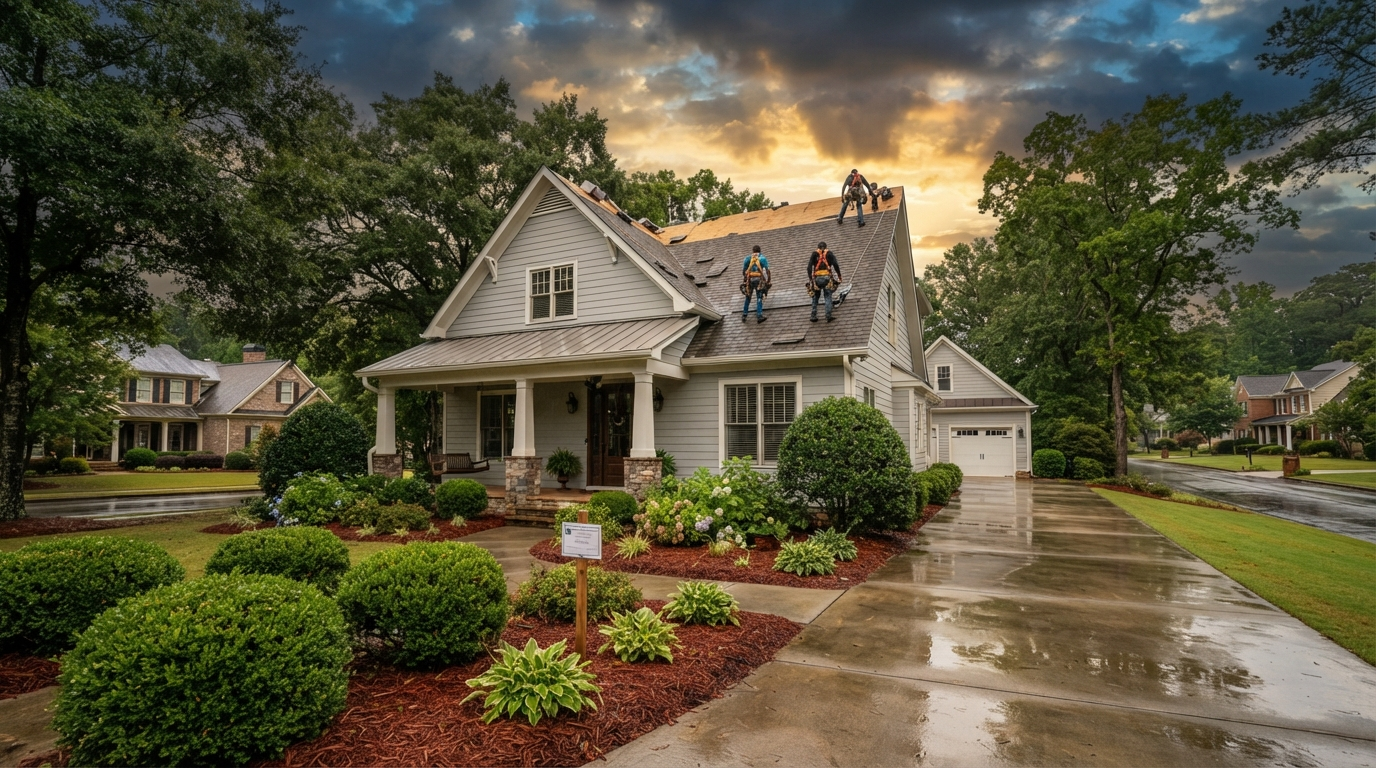
Replacing your roof is one of the largest investments you will make as a homeowner. Before the first shingle comes off, you need to understand the permit requirements that govern this type of work. This Duluth GA shingle roof replacement permits homeowner guide covers everything you need to know about navigating the Gwinnett County permitting process. From application steps and current fees to inspection requirements and common mistakes, we will walk you through the entire process so you can protect your investment and avoid costly surprises.
At GCR Construction & Roofing, we have spent 15 years of experience helping homeowners throughout Gwinnett County complete roof replacements the right way. We handle permit applications, coordinate inspections, and ensure every project meets local building codes. Whether you live in Duluth, Lawrenceville, Suwanee, or any other community we serve, understanding the permit process helps you make informed decisions about your roofing project.
Yes, Gwinnett County requires a building permit for roof replacement projects in Duluth and all other unincorporated and incorporated areas within the county. This requirement applies to both complete tear-offs and overlay installations. The county enforces these requirements to ensure all roofing work meets current building codes designed to protect your home and family from structural failures, water damage, and wind damage during Georgia storms.
Gwinnett County follows the International Building Code with Georgia-specific amendments. For residential roof replacement, the county requires permits when you remove or install roofing materials that cover more than 100 square feet. This threshold means virtually every roof replacement project requires a permit. The requirement applies to all roofing materials including asphalt shingles, metal roofing, and other approved systems.
The permit requirement exists regardless of whether you hire a contractor or attempt the work yourself. Many homeowners mistakenly believe that DIY projects exempt them from permit requirements. This is not the case. The county requires permits based on the scope of work, not who performs it.
Understanding the difference between repairs and replacement helps clarify when you need a permit. Generally, minor repairs that do not require a permit include:
Work that requires a permit in Gwinnett County includes:
Some contractors and homeowners attempt to skip the permit process to save time or money. This decision creates serious risks that far outweigh any short-term savings. The consequences of unpermitted roof work in Georgia include:
Home Sale Complications: When you sell your home, buyers and their lenders often require permit history for major work. Unpermitted roof replacement can delay or derail a sale. Some buyers will walk away entirely rather than assume liability for unpermitted work. Others will demand significant price reductions to cover the risk.
Voided Warranties: Most roofing material manufacturers require proper installation according to local building codes. Unpermitted work that fails inspection standards can void your shingle or metal roofing warranty. This leaves you responsible for replacement costs if materials fail prematurely.
Insurance Claim Denials: If your unpermitted roof suffers storm damage, your insurance company may deny the claim. Insurers can argue that unpermitted work contributed to the damage or that you failed to maintain the property according to local requirements.
Stop Work Orders and Fines: Gwinnett County code enforcement can issue stop work orders for unpermitted projects. Fines accumulate daily until you obtain proper permits. In some cases, the county may require you to remove completed work for inspection of underlying components.
Personal Liability: If unpermitted work causes injury or damage to neighbors or visitors, you assume full liability. Your homeowners insurance may not cover incidents related to unpermitted construction.
DULUTH GA ROOF REPLACEMENT PERMIT PROCESS
Source: Gwinnett County Department of Planning & Development | Permits required for all roof replacements exceeding $200 in value per Georgia law
Gwinnett County has streamlined the permit application process through online systems and dedicated staff. Understanding each step helps ensure your application moves through approval without unnecessary delays.
The Duluth GA roof replacement permit process follows these steps:
Step 1: Gather Required Information. Before starting your application, collect your property address, parcel number, and details about the proposed work. You will need to know the total square footage of the roof area, the type of materials you plan to install, and whether you will perform a tear-off or overlay.
Step 2: Create an Account. Visit the Gwinnett County permits portal and create an account if you do not already have one. Contractors typically maintain active accounts, which speeds up the application process when they handle permits on your behalf.
Step 3: Complete the Application. Fill out the residential building permit application with accurate project details. Select roof replacement as the work type and specify the materials and scope. Incomplete applications face rejection or requests for additional information that delay approval.
Step 4: Submit Required Documents. Upload or submit the required documentation with your application. Review the next section for specific document requirements.
Step 5: Pay Permit Fees. Calculate and pay the required fees based on your project valuation. Gwinnett County accepts online payments through the permit portal.
Step 6: Receive Approval. Once approved, download or pick up your permit. The permit must remain on-site and visible during all work and inspections.
Gwinnett County requires specific documentation for roof replacement permit applications:
For projects involving structural repairs or changes, additional documentation may include engineered drawings or structural calculations. Standard shingle replacement over existing sound decking typically requires only basic documentation.
Gwinnett County offers two submission methods for roofing permits:
| Submission Method | Advantages | Disadvantages | Best For |
|---|---|---|---|
| Online Portal | 24/7 availability, faster processing, digital document storage, email notifications | Requires computer access, learning curve for first-time users | Licensed contractors, tech-comfortable homeowners |
| In-Person at Planning Division | Face-to-face assistance, immediate questions answered, physical receipt | Limited hours, travel required, potential wait times | Complex projects, homeowners needing guidance |
The Gwinnett County Planning and Development office is located at 750 South Perry Street in Lawrenceville. Office hours are Monday through Friday, though we recommend checking current hours before visiting. Most standard roof replacement permits process faster through the online system.
Understanding current costs and timelines helps you plan your roofing project budget and schedule. These figures reflect 2025 Gwinnett County fee structures and typical processing experiences.
Gwinnett County calculates permit fees based on project valuation. For residential roof replacement, the county uses a standard valuation formula based on square footage and material type. Typical permit costs for Duluth GA shingle roof replacement range from $150 to $300 for most homes.
The fee structure includes several components:
For a typical 2,000 square foot roof replacement using architectural shingles, expect total permit costs between $175 and $250. Larger homes or premium materials like metal roofing may see slightly higher fees due to increased project valuation.
These fees represent a small fraction of your total roofing investment but provide significant protection for your home and financial interests. The permit ensures proper installation, validates your warranty, and creates official documentation of code-compliant work.
Standard residential roof replacement permits in Gwinnett County typically receive approval within one to three business days when applications are complete and accurate. Several factors influence your specific timeline:
Application Completeness: Missing information or documents can add days or weeks to approval. Experienced contractors who handle permits regularly submit complete applications that process quickly.
Seasonal Demand: Spring and summer months see higher permit volumes following storm seasons. Applications submitted during peak periods may take longer to process.
Project Complexity: Simple re-roofing with standard materials processes faster than projects involving structural repairs, material type changes, or additions.
For homeowners in Duluth and surrounding areas like Norcross, Peachtree Corners, and Berkeley Lake, the permit timeline rarely creates significant project delays when working with an experienced contractor.
Gwinnett County offers expedited permit processing for emergency situations. If storm damage creates an immediate safety hazard or water intrusion risk, you may qualify for emergency permit procedures. These situations require documentation of the emergency condition and may involve temporary repairs while standard permits process.
For non-emergency projects where timing is critical, working with a contractor who has established relationships with county permit staff can help move applications efficiently. At GCR Construction & Roofing, our familiarity with Gwinnett County requirements and staff helps ensure smooth permit processing for homeowners throughout our service area.
Obtaining a permit is only the first step in the compliance process. Gwinnett County requires inspections to verify that completed work meets building codes and matches the approved permit scope.
For residential roof replacement, Gwinnett County typically requires one final inspection after work completion. In some cases, interim inspections may be required for projects involving structural repairs or multiple phases.
The inspection process works as follows:
Scheduling: Once roofing work is complete, the permit holder or contractor schedules an inspection through the county system. Inspections can be requested online or by phone, typically with next-day availability during normal business periods.
Inspector Visit: A Gwinnett County building inspector visits the property to examine the completed work. Inspections usually occur within a scheduled time window, and someone should be available to provide access if needed.
Review Points: The inspector checks that work matches the permit scope, materials meet code requirements, installation follows manufacturer specifications, and proper flashing and sealing techniques were used.
Results: Inspections result in either approval or a list of corrections needed. Approved permits close out properly. Failed inspections require corrections and re-inspection.
Understanding common failure points helps ensure your roof replacement passes inspection the first time. Frequent issues include:
These issues typically occur when inexperienced workers or unlicensed contractors perform the work. Professional roofing contractors with proper training know code requirements and installation standards that result in passing inspections.
Scheduling your final inspection requires the permit number issued for your project. Gwinnett County accepts inspection requests through several methods:
Request your inspection only after all work is complete and the site is ready for review. The permit card should remain posted and visible for the inspector. Your contractor should coordinate this scheduling as part of their complete service, ensuring the project receives proper approval and documentation.
While homeowners can legally pull their own roofing permits in Georgia, significant advantages exist when your contractor handles the permit process. These benefits extend beyond convenience to provide meaningful protection for your investment.
Licensed roofing contractors bring several advantages to the permit process that benefit homeowners:
Process Familiarity: Contractors who regularly work in Gwinnett County know exactly what documentation the county requires and how to prepare applications that process quickly. This expertise prevents delays from incomplete submissions or incorrect information.
Code Knowledge: Building codes change periodically, and requirements vary based on location within the county. Contractors stay current with code updates and know specific requirements for communities like Duluth, Sugar Hill, Grayson, and Snellville.
Professional Relationships: Established contractors maintain professional relationships with permit staff and inspectors. While these relationships do not provide special treatment, they do help resolve questions quickly and keep projects moving.
Single Point of Accountability: When your contractor pulls the permit, they accept responsibility for code compliance. This creates clear accountability if issues arise during or after the project.
Having your contractor handle permits provides important liability and warranty protections:
When a licensed contractor pulls the permit, they assume responsibility for ensuring work meets code requirements. If inspection issues arise, the contractor must correct them at their expense. If you pull your own permit and hire workers, you accept this responsibility personally.
Manufacturer warranties for roofing materials typically require installation by licensed contractors following approved methods. Permits pulled by homeowners may complicate warranty claims if manufacturers question whether proper installation procedures were followed.
Insurance coverage also comes into play. Contractors carry liability insurance and workers compensation that protect you from claims if accidents occur during your project. Homeowner-pulled permits may leave gaps in this protection.
Be cautious of any contractor who suggests skipping permits or asks you to pull the permit yourself to save money. These requests should raise immediate concerns:
A legitimate roofing contractor includes permit handling in their standard roofing services. The permit cost and process time are minimal compared to the total project scope. Any contractor trying to avoid this step likely has reasons that do not benefit you as the homeowner.
Even with the best intentions, homeowners sometimes make mistakes that create problems with their roofing permits. Understanding these common issues helps you avoid them during your project.
Many Duluth neighborhoods and communities throughout Gwinnett County have homeowners associations with architectural control requirements. A common mistake is assuming that a county permit satisfies HOA requirements or vice versa. These are separate approval processes with different requirements.
HOA architectural committees typically require advance approval before any exterior changes, including roof replacement. They may restrict material types, colors, or styles to maintain neighborhood consistency. Submitting for HOA approval after starting work or pulling permits can result in:
The proper sequence for subdivisions with HOAs: First, obtain HOA architectural approval for your roofing project. Second, apply for the Gwinnett County building permit. Third, begin work once both approvals are in hand. This sequence prevents conflicts and ensures smooth project completion.
Communities in Suwanee, Dacula, Buford, and other Gwinnett County cities often have active HOAs with strict enforcement. We recommend confirming HOA requirements before finalizing your roofing plans.
Another common permit mistake involves documenting the wrong scope of work. This error occurs in two directions:
Under-documenting: Some homeowners or contractors describe only partial work to reduce permit fees or simplify approval. If the actual project exceeds the permit scope, inspections will fail. For example, permitting a simple re-roof but actually replacing damaged decking requires an amended permit with additional documentation.
Over-documenting: Describing work beyond what you actually plan can trigger additional requirements. Mentioning structural changes when you only plan standard shingle replacement may require engineering documentation you do not need.
Accurate scope documentation protects you during inspections and ensures your permit matches the completed work. When you sell your home, permit records should accurately reflect what was done. Discrepancies create questions and potential complications.
When storm damage drives your roof replacement, coordinating between insurance claims and permit requirements creates additional complexity. Common mistakes in this coordination include:
Starting Work Before Claim Approval: Some homeowners want immediate repairs after storm damage. Starting permitted work before your insurance claim processes can complicate reimbursement. Insurance adjusters prefer to see damage before repairs begin.
Mismatched Scopes: Insurance approvals often cover specific repairs. If your permit scope differs significantly from the insurance-approved scope, you may face payment issues. Ensure your contractor, insurance adjuster, and permit application align on the work being performed.
Missing Supplemental Documentation: Storm damage repairs often reveal additional issues once work begins. Both insurance claims and permits may need updates. Failing to document these discoveries properly can leave you paying for uncovered repairs or facing inspection issues.
Experienced contractors understand insurance claim coordination. They document damage thoroughly, communicate with adjusters, and ensure permits reflect approved and necessary work. This coordination is particularly important for homeowners in Lilburn, Loganville, and other areas prone to storm damage.
Roof replacement permits in Duluth and throughout Gwinnett County typically cost between $150 and $300 for residential projects. The exact fee depends on your project valuation, which the county calculates based on roof square footage and material type. A standard 2,000 square foot shingle roof replacement usually falls in the $175 to $250 range. These fees include the base permit fee, plan review, and required surcharges. While the fee represents an additional project cost, it provides essential protection including warranty validation, insurance compliance, and proper documentation for future home sales. Your contractor should include permit fees in their project estimate so you know the total investment upfront.
Yes, Georgia law allows homeowners to pull building permits for work on their own primary residence. However, doing so comes with significant considerations. When you pull the permit yourself, you assume responsibility for code compliance, inspection coordination, and any required corrections. You also lose some liability protection that comes with contractor-pulled permits. If you hire workers but pull your own permit, you may face gaps in insurance coverage and warranty protection. Most homeowners find that having their licensed contractor handle permits provides better protection and convenience. The contractor knows current requirements, submits complete applications, and takes responsibility for passing inspections. For these reasons, we recommend letting your professional roofing contractor manage the permit process on your behalf.
Replacing your roof without a required permit in Georgia creates several serious risks. Gwinnett County code enforcement can issue stop work orders and daily fines until you obtain proper permits. You may be required to remove completed work to allow inspection of underlying components, effectively paying for the job twice. Unpermitted work can void your roofing material manufacturer warranty since most require code-compliant installation. Your homeowners insurance may deny claims related to unpermitted work. When you sell your home, buyers and their lenders often discover unpermitted work through permit history searches, potentially delaying or killing the sale. Some title companies will not insure properties with unpermitted major work. The permit cost of $150 to $300 is minimal compared to these potential consequences, making proper permitting a clear value for any roof replacement project.
Standard residential roof replacement permits in Duluth and Gwinnett County typically receive approval within one to three business days when applications are complete and accurate. The timeline depends on several factors including application completeness, seasonal permit volume, and project complexity. Simple re-roofing projects with complete documentation often receive next-day approval through the online system. Peak seasons following major storms may extend processing times. Complex projects involving structural repairs or unusual materials may require additional review. Working with an experienced contractor who submits complete, accurate applications helps ensure the fastest possible processing. In emergency situations with documented storm damage creating safety hazards, Gwinnett County offers expedited procedures for immediate repairs. For planning purposes, most homeowners can expect their permit within a few business days of application submission.
Navigating Duluth GA shingle roof replacement permits does not have to be complicated. With the right contractor, the permit process becomes a seamless part of your roofing project rather than a bureaucratic obstacle. At GCR Construction & Roofing, we handle every aspect of your roof replacement including permit applications, code compliance, and inspection coordination.
Our team has spent 15 years serving homeowners throughout Gwinnett County, from Auburn and Braselton to Rest Haven and Mulberry. We understand local requirements, maintain professional relationships with county staff, and take pride in completing every project properly. Whether you need shingle roofing, metal roofing, TPO roofing, gutters, or siding, we bring the same commitment to quality craftsmanship and honest service.
Ready to start your roof replacement project with a contractor who handles permits the right way? Contact us for a free roof inspection and detailed estimate. Call us at (470) 913-7148 or email support@gcrcontracting.com to schedule your appointment. We serve Duluth, Lawrenceville, Suwanee, Norcross, Peachtree Corners, and all of Gwinnett County with the professional roofing services your home deserves.
Your Roof. Our Passion.